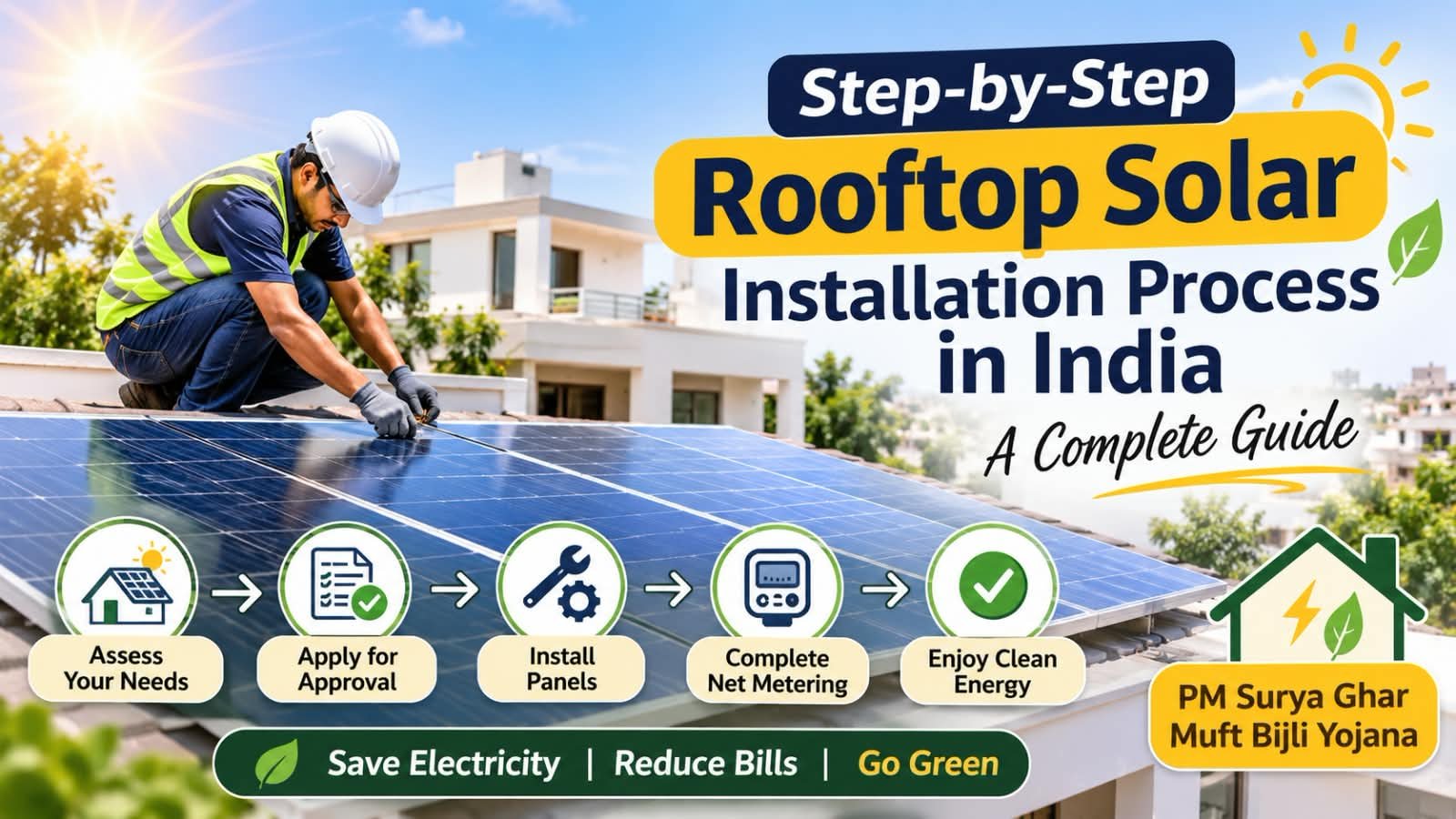
Step-by-Step Rooftop Solar Installation Process in India: A Complete Guide
Installing a rooftop solar system is a smart way to reduce electricity bills and use clean energy. With initiatives like PM Surya Ghar: Muft Bijli Yojana, more homeowners in India are showing interest in solar energy.
However, installing solar panels requires proper planning, the right equipment and professional guidance. If you are planning to install solar at your home, understanding the process will help you make the right decision.
Here is a simple guide to the rooftop solar installation process in India.
1. Check Your Electricity Consumption
Start by checking your electricity bills from the last 6–12 months. This will help you understand your average monthly electricity usage.
Based on your consumption, a solar professional can suggest a suitable system capacity, such as 1 kW, 2 kW or 3 kW. The final capacity depends on your electricity requirements, rooftop space and sunlight availability.
2. Inspect Your Rooftop
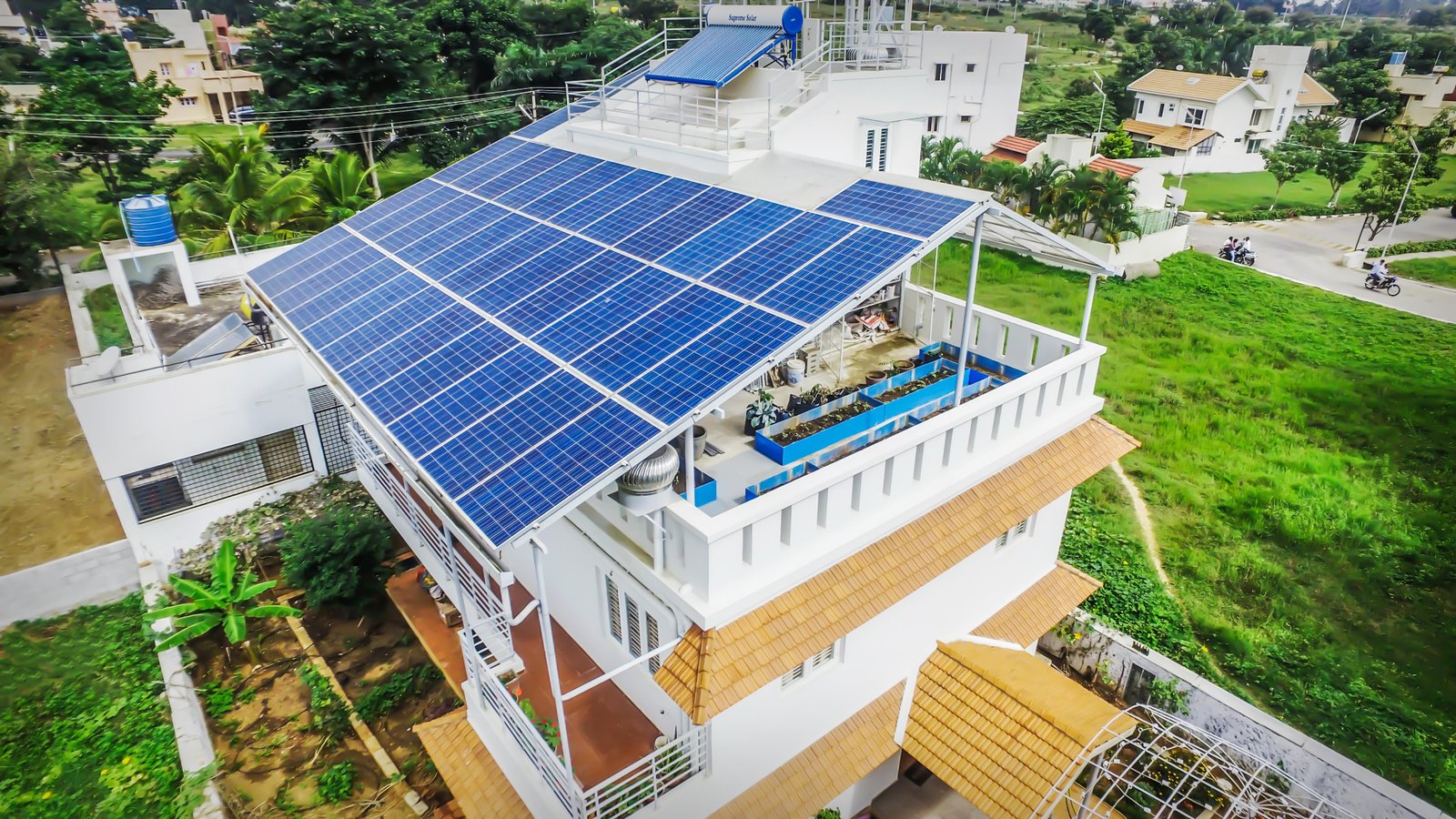
Before installation, check whether your rooftop has enough open space for solar panels. Nearby buildings, trees and water tanks can create shadows and affect electricity generation.
The roof should also be strong enough to support the panels and mounting structure. A professional site survey helps determine the best panel placement and installation requirements.
3. Choose the Right Solar System
There are three main types of rooftop solar systems:
- On-Grid Solar: Connected to the electricity grid. Surplus electricity can be exported through an approved net-metering arrangement.
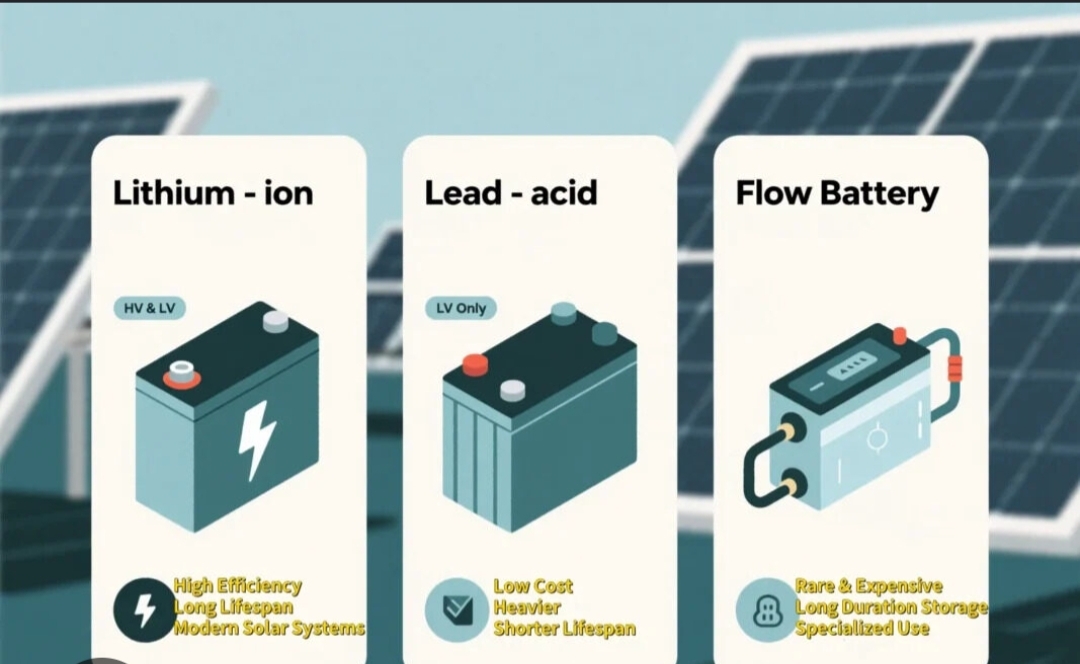
- Off-Grid Solar: Works independently using batteries to store electricity.
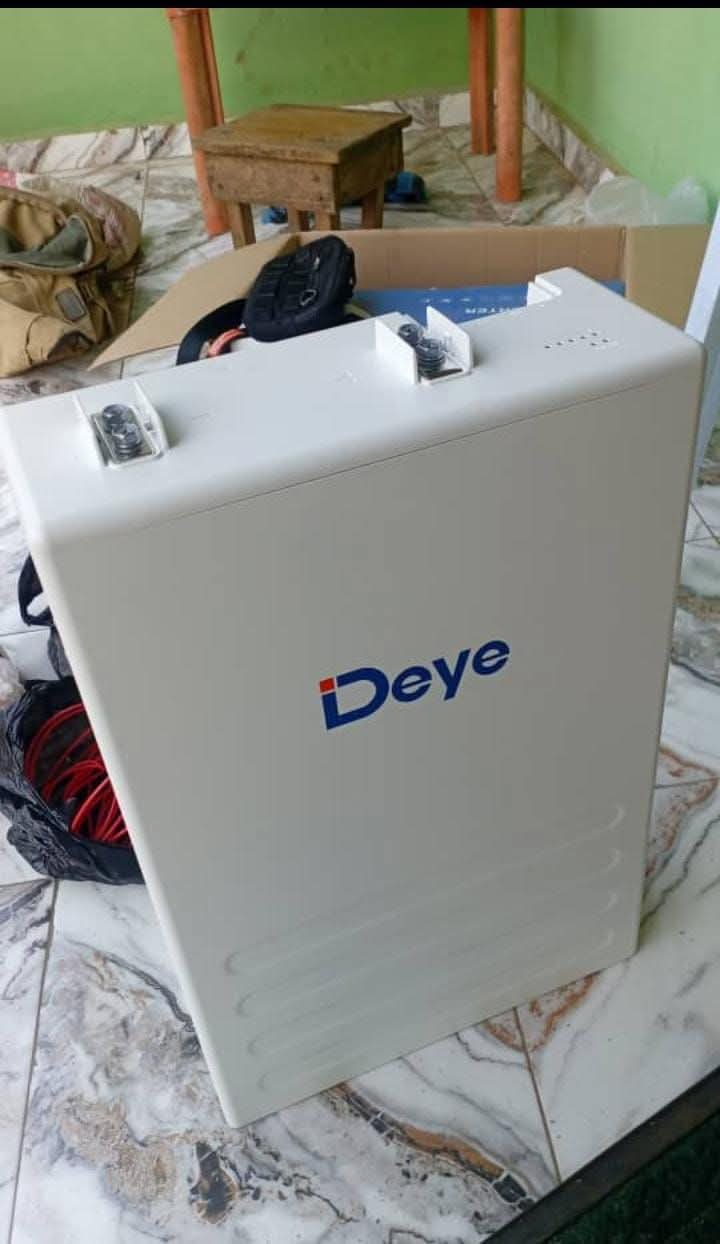
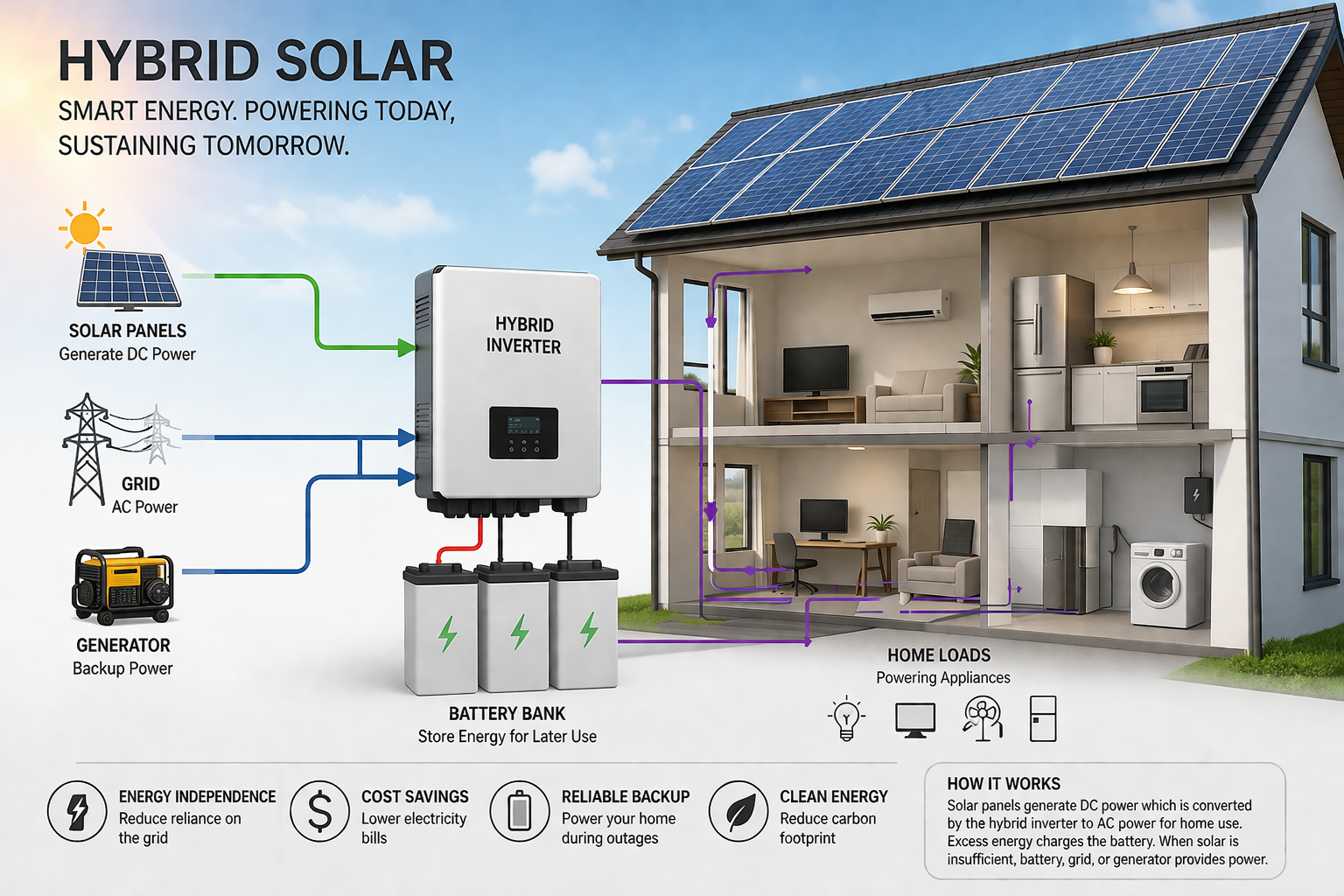
- Hybrid Solar: Combines grid connectivity with battery storage for backup, depending on system configuration.
Choose a system based on your electricity usage, backup requirements and budget.
4. Select Quality Solar Equipment
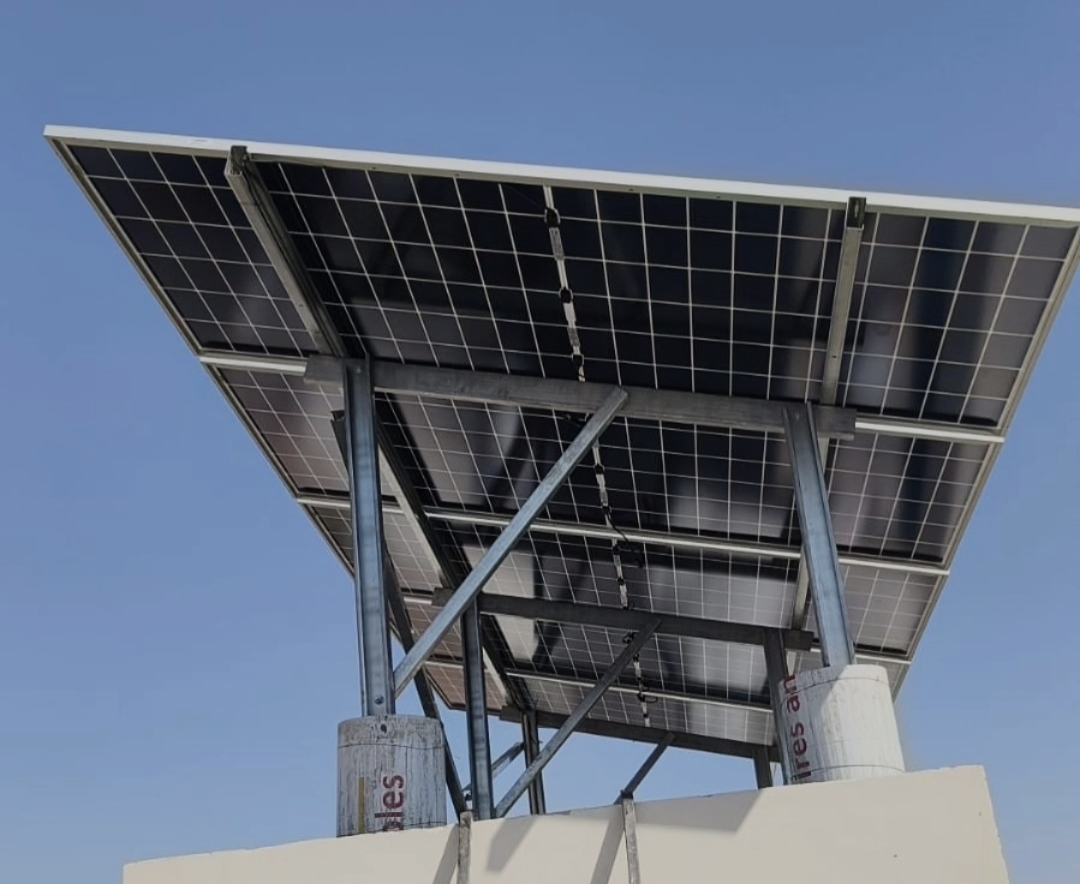
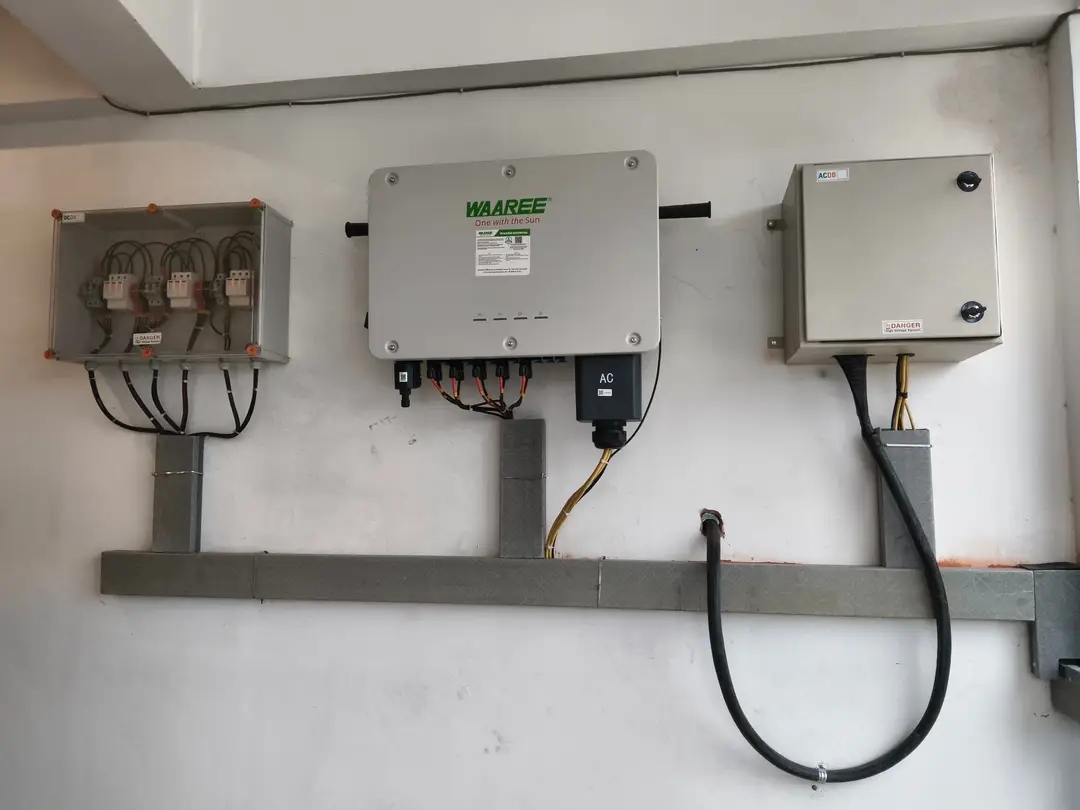
A rooftop solar system generally includes solar panels, an inverter, mounting structures, cables and safety devices. Batteries are required when the selected system includes storage.
Before finalising a vendor, compare equipment quality, product warranties, installation costs and after-sales support. Always ask for an itemised quotation to understand the complete cost.
5. Complete Government Approvals
Homeowners interested in PM Surya Ghar: Muft Bijli Yojana can apply through the official National Portal.
The general process includes registration, entering electricity consumer details, submitting an application, completing feasibility approval and selecting an eligible vendor as required under the scheme.
Remember that subsidy benefits depend on eligibility and current government guidelines. Check the official portal before proceeding.
6. Solar Panel Installation
Once the required approvals and planning are complete, the installation work begins.
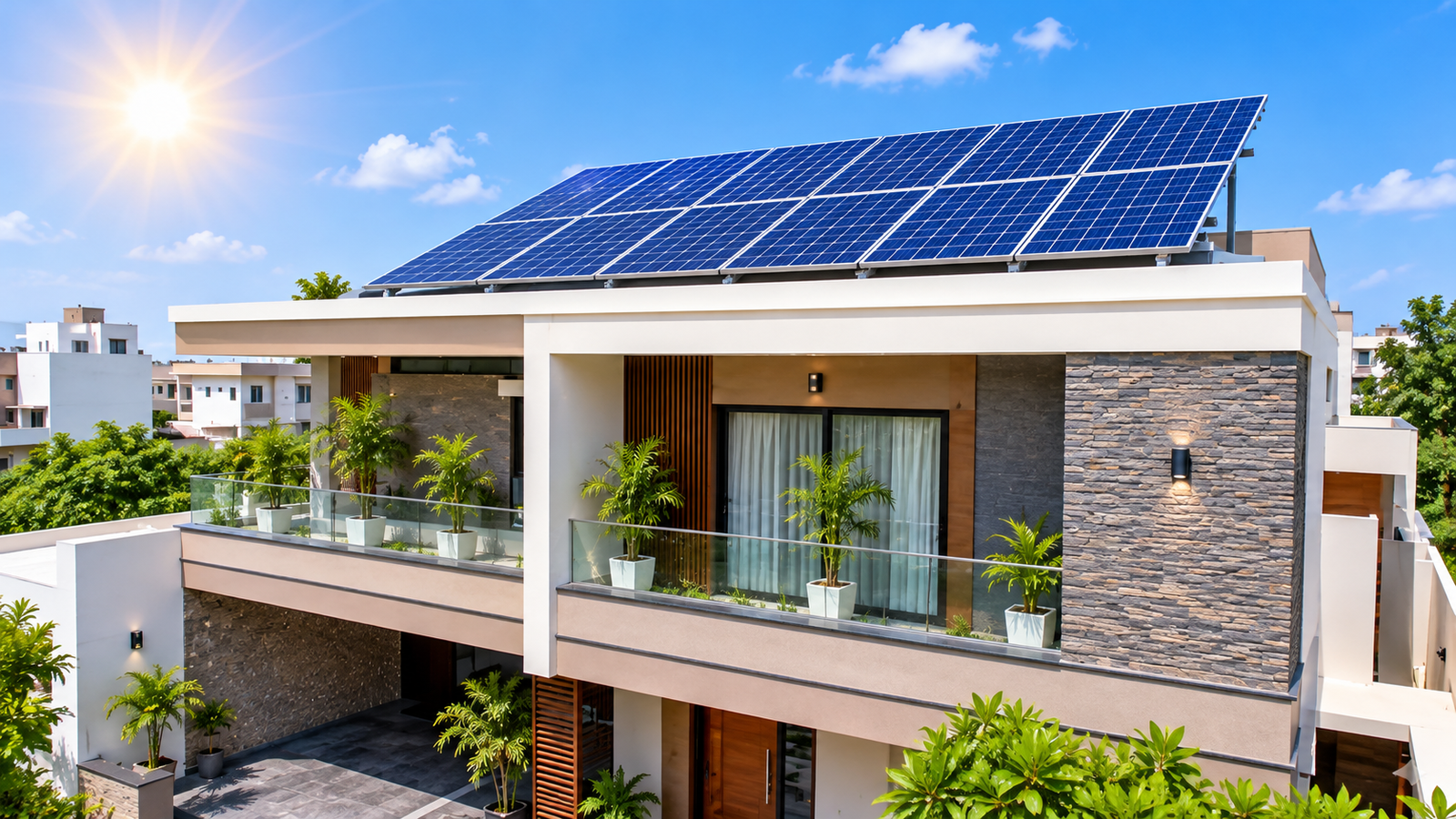
The installation team fixes the mounting structure, places the solar panels and connects them to the inverter. Proper wiring, earthing and safety equipment are also installed according to the system design.
Professional installation is important for safe operation and reliable electricity generation.
7. Inspection and Net Metering
For an on-grid system, the electricity distribution company (DISCOM) follows the required inspection and net-metering procedure.
A net meter records the electricity consumed from the grid and the surplus electricity exported by your solar system. The adjustment of exported units depends on applicable state regulations.
8. System Commissioning and Subsidy
After completing the required inspection and metering formalities, the system can be commissioned.
The installer should explain how to monitor electricity generation and operate the inverter. Eligible consumers must also complete the required commissioning and subsidy formalities through the official portal.
Keep your invoices, bank details and installation documents ready for verification.
9. Regular Solar Panel Maintenance
Regular maintenance helps keep your solar system working efficiently.
Clean the panels when required, check inverter performance and monitor daily electricity generation. Arrange professional inspections to check wiring, earthing and mounting structures.
Avoid using harsh chemicals or attempting electrical repairs without professional assistance.
Common Mistakes to Avoid
Before installing solar panels, avoid these common mistakes:
- Choosing the wrong system capacity.
- Ignoring rooftop shading and roof strength.
- Selecting a vendor only because of a low price.
- Overlooking equipment warranties.
- Not checking subsidy eligibility.
- Ignoring regular maintenance.
Conclusion
The rooftop solar installation process in India involves electricity assessment, rooftop inspection, equipment selection, approvals, installation and commissioning. Every step is important for a safe and reliable solar setup.
If you are planning to install solar panels, start with a professional site survey and choose a system that matches your household's electricity needs. A properly installed rooftop solar system can help reduce electricity expenses and support a cleaner energy future.