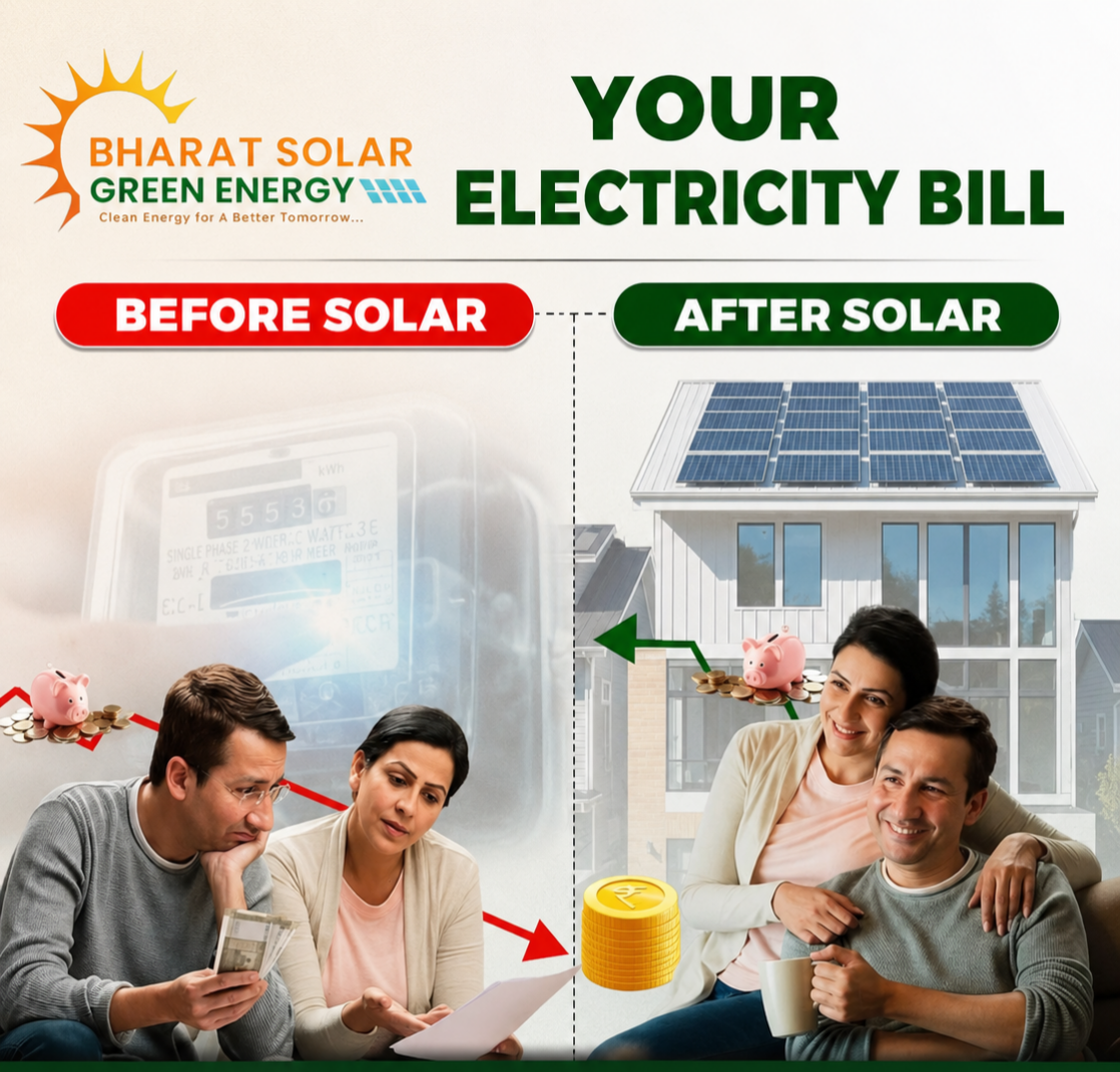
Installing solar panels is one of the smartest investments for reducing electricity costs and achieving energy independence.
⚡ Why You Still Get an Electricity Bill
Even after installing a solar system, your connection to the grid remains active. Here are the main reasons you may still receive a bill:
1. Fixed Charges by DISCOM
Electricity providers charge fixed monthly fees for maintaining your connection, regardless of your usage.
2. Night-Time Usage
Solar panels generate electricity only during the daytime.
At night, you rely on grid electricity unless you have battery storage.
3. Seasonal Variations
During monsoon or winter, solar production may reduce, leading to some grid consumption.
4. High Energy Consumption
If your electricity usage is higher than what your solar system produces, you will pay for the extra units consumed.
🔄 Net Metering – The Game Changer
Most modern solar systems in India use net metering.
• Excess electricity generated during the day is sent to the grid
• You earn credits for this power
• These credits reduce your bill when you consume electricity later
👉 In many cases, your bill can drop by 70% to 100%
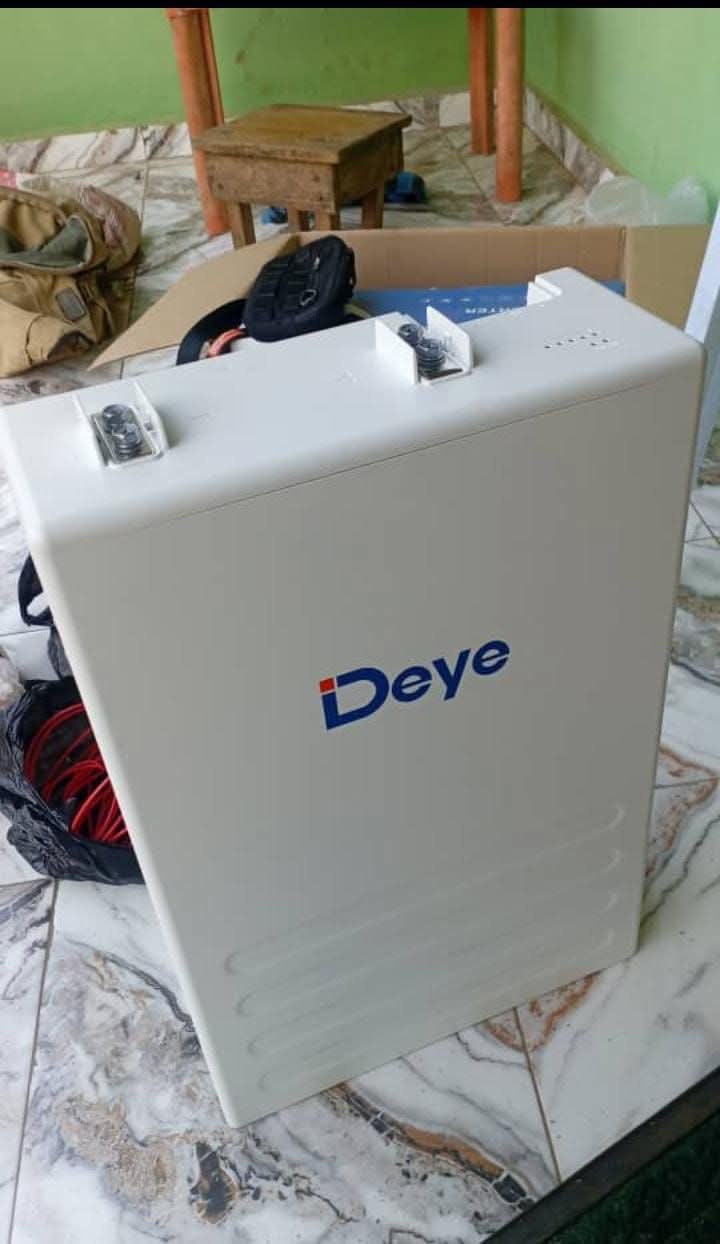
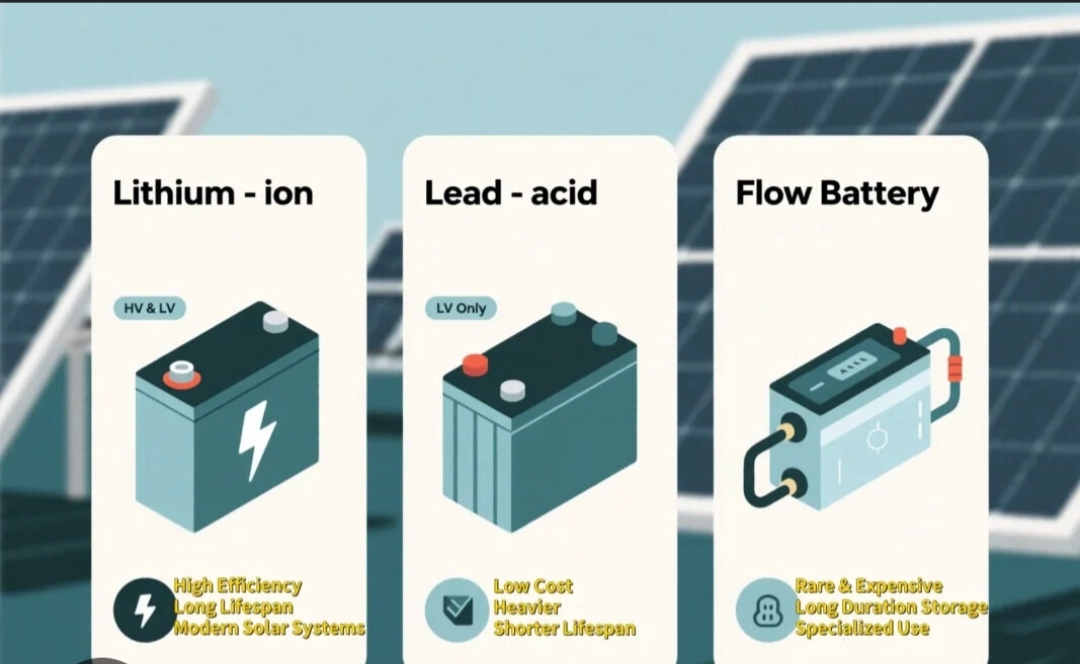
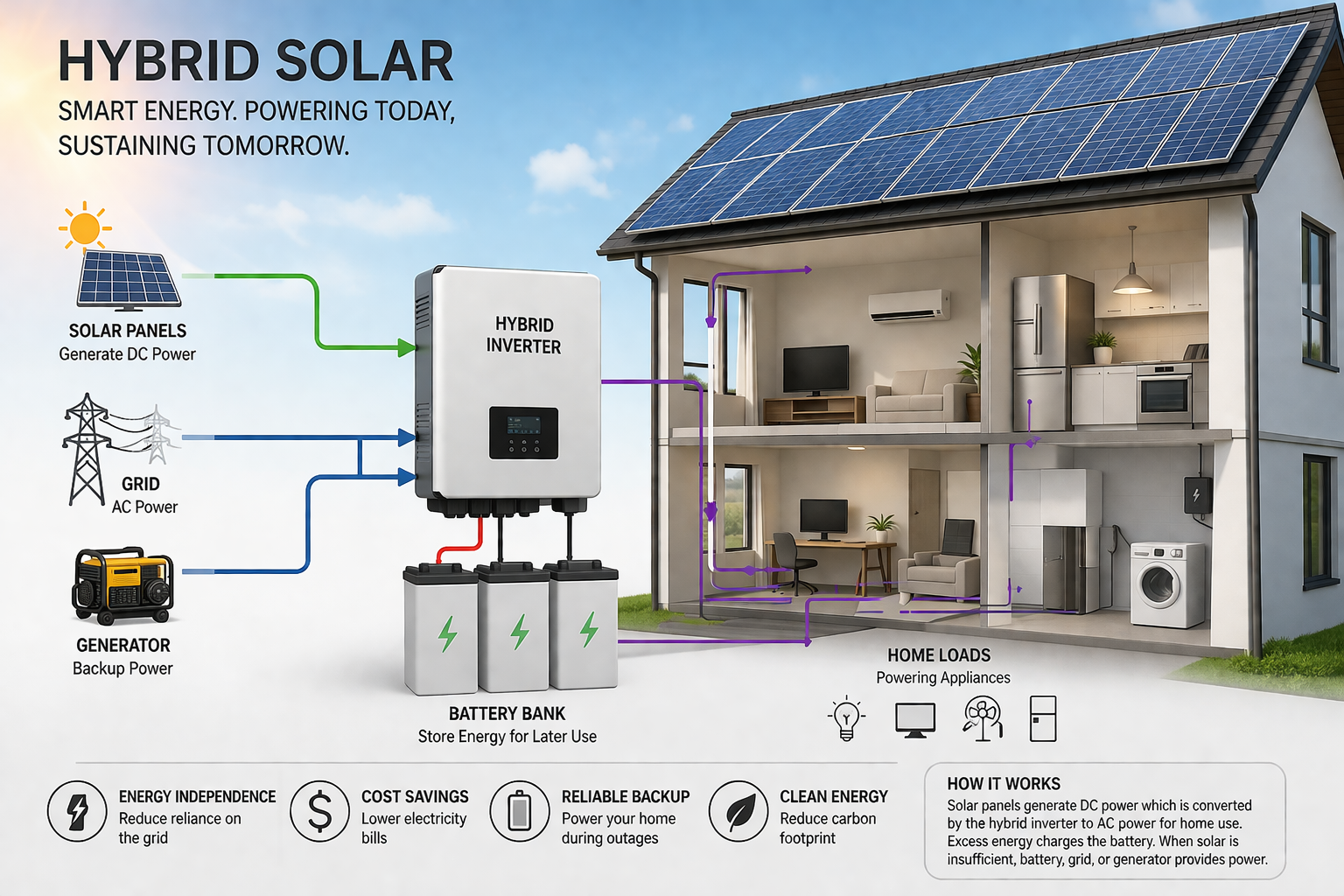
🔋 What If You Install a Battery?
With a battery storage system:
• You can store excess solar power
• Use it at night
• Reduce grid dependency even further
However, fixed charges may still apply.
💰 What Will Your Final Bill Look Like?
After installing solar panels, your bill may include:
• Minimal energy charges (or zero in ideal cases)
• Fixed connection charges
• Taxes and duties
👉 Some users even receive zero or near-zero
Installing solar panels significantly reduces your electricity expenses, but it doesn’t completely eliminate your bill in most cases. With proper system sizing and net metering, you can enjoy massive savings and long-term benefits.