How to Determine Your Home's Appropriate Solar Panel Capacity
When you're thinking of installing solar panels on your roof, one of the first things you should determine is how much solar power you need for your home.
It's not just about having more solar panels on your roof. The ideal solar system you choose depends upon your home's electricity consumption, rooftop space, and the sunlight your rooftop receives.
A suitable size of solar system can help you utilize solar energy optimally and bring down your dependence on electricity from the grid. Here's how you can determine the required solar capacity for your home.
1. Begin with Your Monthly Electricity Consumption
You can start with your electricity bill. Find out the number of units (kWh) you consumed in a billing period.
Let's say you consume 300 units of electricity a month as a household.
You can find out the average daily consumption as:
300 units ÷ 30 days = 10 units per day
It means you consume about 10 units of electricity per day in your home.
You can determine it better by checking your electricity usage over the past few months. Especially if you have a changing consumption rate in summer and winter.
2. Estimate Your Required Solar System Size
After you have the day-to-day electricity consumption, you can try and get a ballpark figure for the solar system size that you might need.
For example, for a good sunlight and installation conditions, the power generation capacity for a 1 kW solar system will be around 4–5 units of electricity per day.
Let's use the same example as above:
- Your daily electricity consumption is 10 units.
- 1 kW solar power generation (estimate) = 4 units.
Calculation:
10 ÷ 4 = 2.5 kW
In this example, you can use a 2.5 kW solar system as a good starting point for you to further assess.
The actual power generation capacity is a variable depending on your panel direction, roof shading, weather condition, system efficiency, seasonal change, etc. It's crucial to have a professional site survey to finalize the capacity.
3. Make Sure Your Rooftop Is Spacious Enough
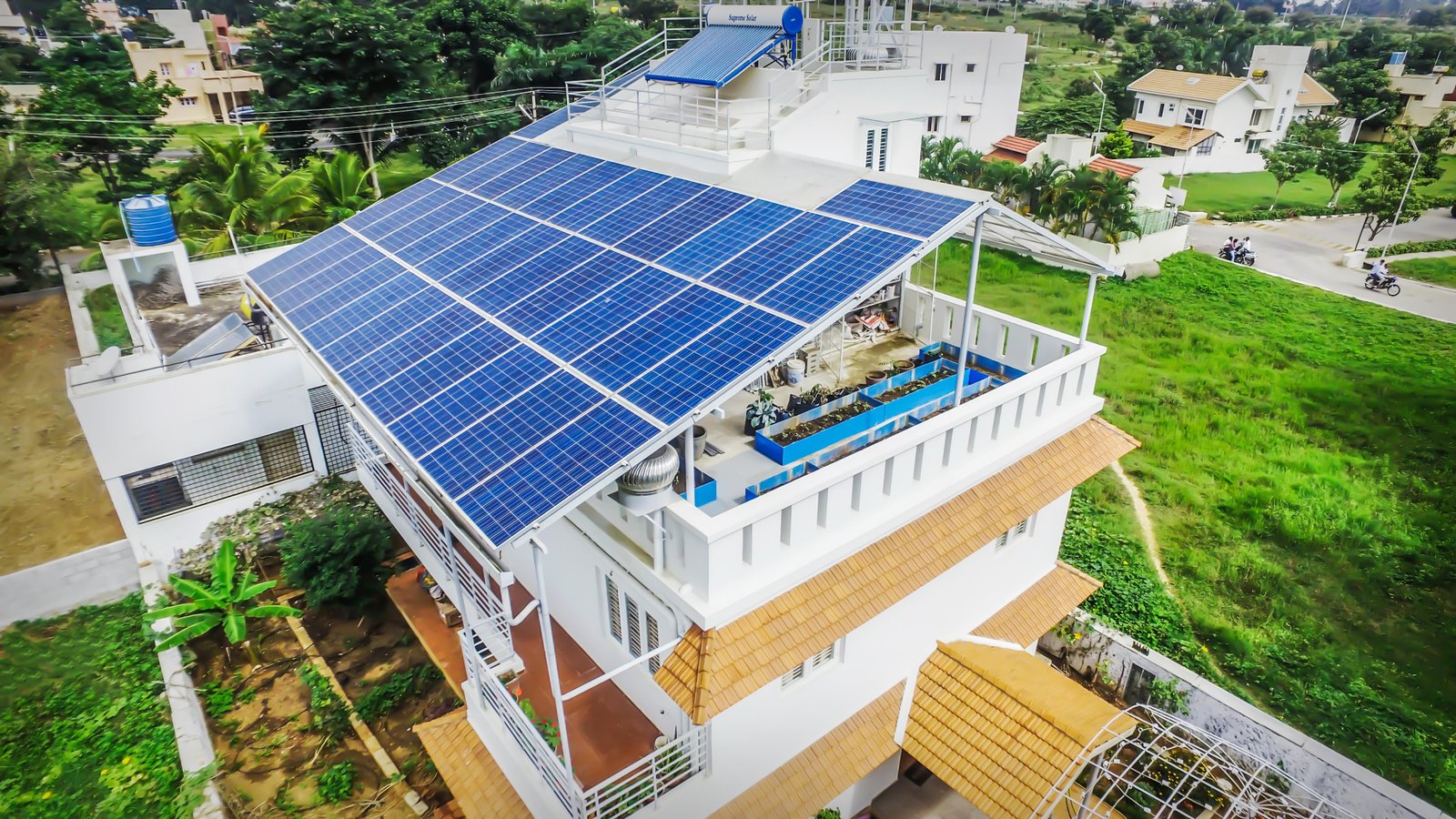
Having enough space on the rooftop is an important factor for your residential solar setup.
As a rough reference, 1 kW solar system may need around 100–130 sq. ft. space on the rooftop. It depends on the panel size, layout and arrangements for installation.
Before you go for the installation, ensure:
- Enough open space for your proposed solar system on your roof.
- Don't choose spots that have major shadowing from trees, water tanks or nearby buildings.
- Is the roof capable of supporting the solar system?
- Do the panels face the right direction and angle to catch enough sun?
In other words, even if there's space on your roof for a 3 kW system, you may get less electricity due to heavy shading.
4. Know the Various Types of Solar Systems
Understand the three common types of residential solar systems before opting for a solar installation.
On-Grid Solar System
This type of solar system is connected to the electrical grid. It lets you use solar-generated power to run your home while staying plugged to the utility grid. So, you can potentially lower your electricity bills (depending on your consumption and net-metering availability).
Off-Grid Solar System
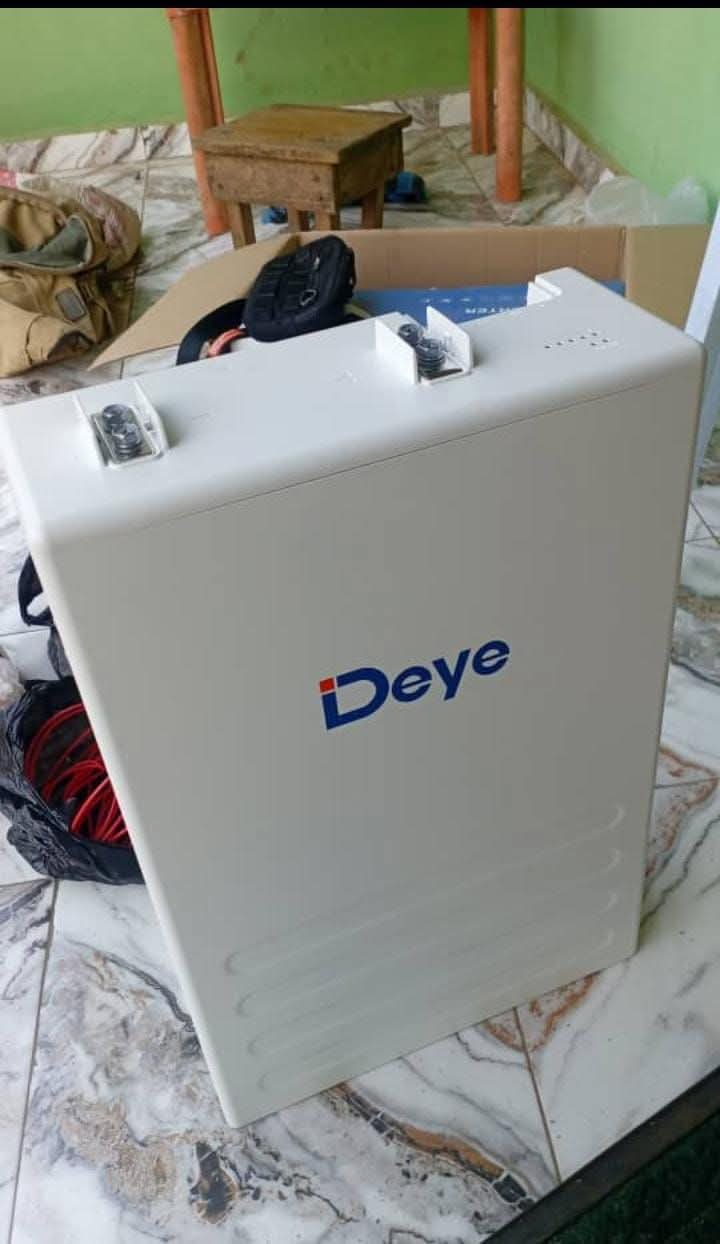
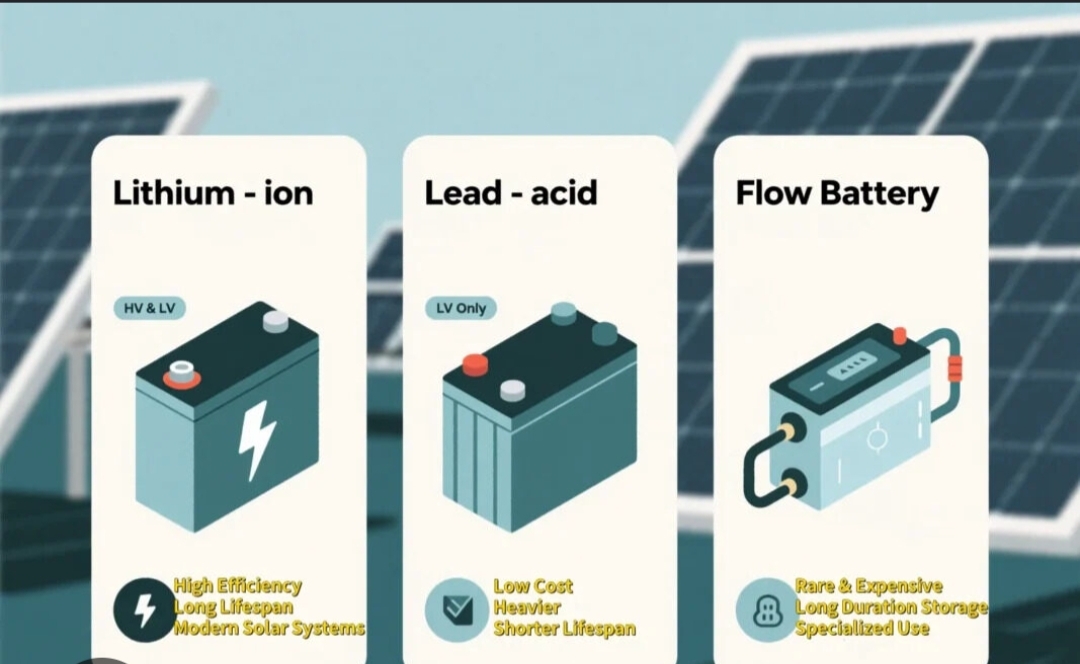
An off-grid solar system is independent of the electricity grid. It generally uses batteries to store excess solar energy. You can then use this stored power (depending on the battery capacity) in the absence of sunlight.
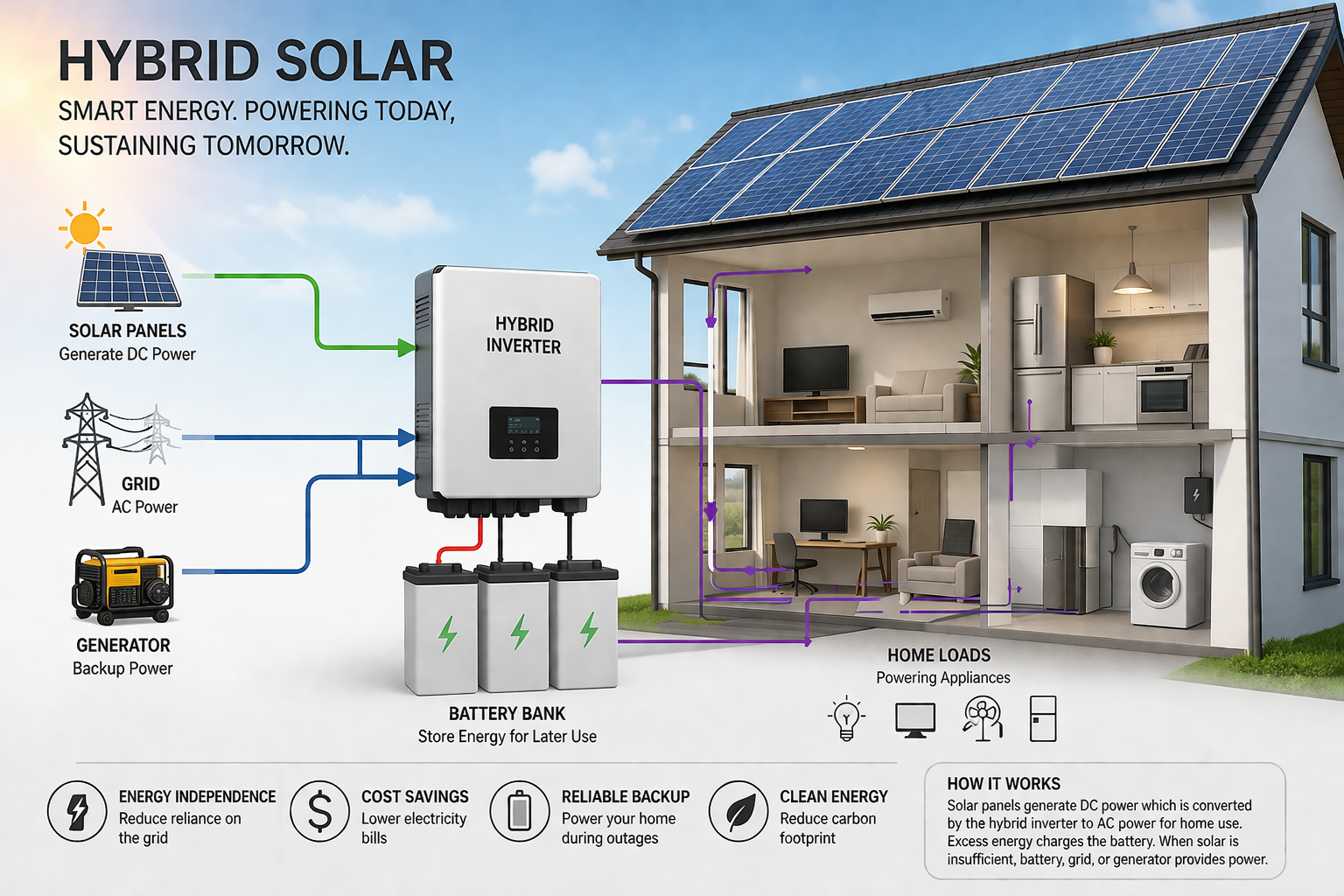
Hybrid Solar System
The hybrid solar system is connected to the grid and has battery storage. It lets you use solar power and get power from the grid. You can store the power for backup (depending on the system configuration).
Your choice will depend on your power consumption, budget, availability of the grid, and need for backup power.
5. Important Factors to Consider Before Installation
After knowing your solar capacity, there are several important things you should consider before making your final decision. For instance:
- Your electricity consumption: Daily use.
- Available roof area: Space available for installation.
- Sunlight conditions: Shading, panel orientation and seasonal sunlight.
- Your future electricity demand: New appliances like air-conditioners or EV chargers.
- Your system type: On-grid, off-grid or hybrid system.
- Your budget: Total system cost, including panels, inverter, mounting structure and battery if required.
These important factors can be best explained by a qualified solar installer. Having the right discussion can lead you to the best solar system that meets your household needs.
Conclusion
You have to determine the electricity consumption and available roof area for your home before finding the right solar panel capacity. Different households have different suitable system capacities. So before deciding on the right solar capacity, take a look at your electricity bill, estimate your daily usage and examine your roof conditions. Then you'll get a better picture on the possible solar capacity you might need.
If you are shifting towards solar power then your rooftop as well as power requirements need to be evaluated prior to choosing a system. With the right planning, you can be more aware while choosing the right installation.
Frequently Asked Questions (FAQs)
1. How Many Units of Electricity Are Produced Per Day by a 1 kW Solar System?
1 kW solar system can produce around 4–5 units of electricity per day, provided you have the right conditions of sunlight and setup. However, the actual production of electricity can differ as per location, weather conditions and performance of your system.
2. How Many Solar Panels Are Needed for a Home?
The number of panels will depend on total capacity of your solar system and wattage of the panels. The number of panels for a system will differ when you are using panels of 400 W or 550 W for example.
3. Can We Install Solar Panels on a Small Rooftop?
Yes, you can install solar panels in small rooftop too. All you need is enough usable space and proper sunlight. The total space you have will decide the maximum capacity of system which can be installed.
4. What Is the Best Solar System for Residential Use?
Not one size fits all. If you just want to reduce electricity consumption from the grid, on-grid is your solution. If you want to have battery backup or be independent from grid than you can consider off-grid or hybrid system.